Protective Metal Coatings for Exposed Surfaces
Metal railings, gates, and other exposed features can lose their finish through use and weather. Protective metal coatings are worth discussing when you want to improve appearance and address surface wear. For this project, the priority is metal condition and protective coating decisions.
Metal Exposure and Coating Decisions
Appearance choices should reflect the setting. A darker finish may visually recede against landscaping, while a contrasting color can emphasize a railing or entry feature. Compare color options with nearby siding, trim, and other permanent surfaces before deciding on a look. The first step is describing the item and its condition, not assuming one coating suits every metal surface.
Metal near masonry, glass, plants, or finished wood presents a separate planning question: which adjacent materials need to remain untouched? Mention nearby hardware and any sections that must still open, close, or move. For gates and rails, a coating discussion should not be confused with structural repair or hardware replacement.
Existing coatings matter as much as the new color. Photograph areas where paint is intact alongside areas where it has peeled, bubbled, or worn away. That comparison can help clarify whether the project involves isolated damage or widespread finish deterioration. If you know the age or type of an earlier coating, include that information in the conversation.
Room-by-Room Color Planning
01
Before discussing a coating, identify whether the surface is a railing, gate, decorative piece, or another metal feature. A handrail that is touched daily has different wear patterns from a stationary outdoor panel. Note any edges that are sharp, joints that trap moisture, and places where an older finish has begun to lift.
02
Rust, flaking coatings, and bare patches do not all call for the same conversation. Tell us where the metal is located and what has changed since it was last coated. Describe which areas are most affected and whether the problem is spreading.
03
Indoor metal fixtures and outdoor railings face different conditions. Sun, moisture, handling, and exposure can influence the coating options that are appropriate for the surface. If the metal has moving parts, fasteners, or nearby materials such as wood or masonry, mention those details. They help define which parts of the feature you want addressed.
04
Metal gates have hinges and moving joints; railings have hand-contact areas and exposed edges. Describe the specific item rather than treating every metal surface alike.
05
Outdoor railings and gates face moisture and weather, while indoor metal features may show wear from frequent handling. The setting matters when considering a coating.

Planning Your Protective Metal Coatings Project
If the metal has moving parts, fasteners, or nearby materials such as wood or masonry, mention those details. They help define which parts of the feature you want addressed. Metal surfaces can show rust, worn coatings, and exposed edges that deserve attention before appearance is considered. The intended environment and existing condition influence the coating conversation.
Property Owners With Metal Features
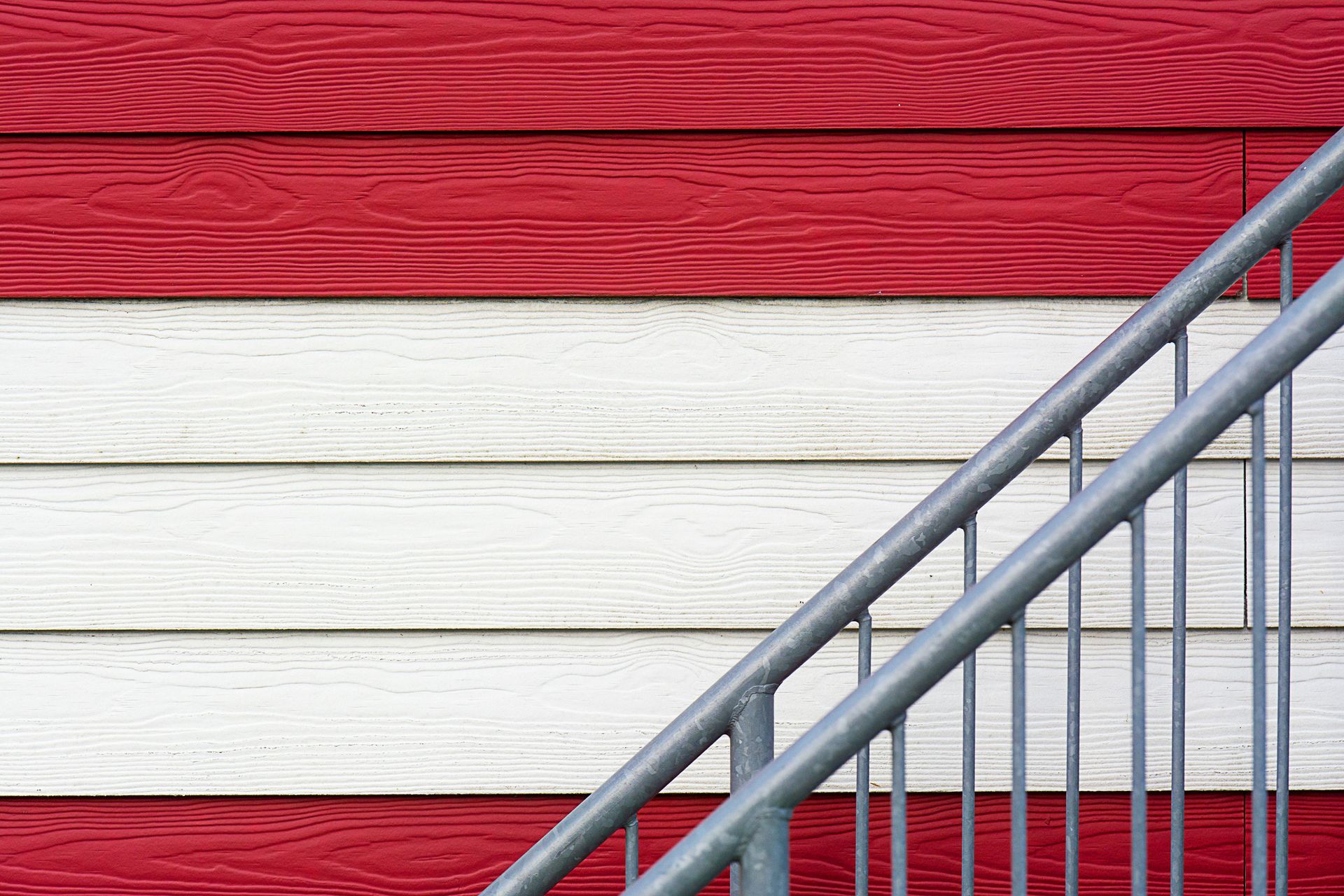
Property owners with paintable metal railings or other exposed metal features can begin by describing the surface and its condition. The useful starting point is a clear description of metal condition and protective coating decisions. Share which part of the property concerns you, what has changed over time, and what a satisfactory result would look like. This helps keep the discussion tied to your actual project rather than a general painting checklist.
Before asking for an estimate, separate full-room painting from individual accents and touch-ups. Note any furniture-heavy spaces, tall walls, or rooms you need to keep using. Mention visible nail holes or previous patches. These details make the conversation about your actual home rather than a one-size-fits-all paint job.
For a multiroom project, think about where one color stops and the next begins. Open doorways, stairwells, and adjoining hallways can make an abrupt transition more noticeable. If you plan to keep some rooms unchanged, note those existing colors when describing the project. It also helps to separate walls from ceilings, trim, and doors in your room list. This gives the estimate conversation a clear scope rather than assuming that every surface in each room needs the same treatment.
Assess Exposure and Surface Condition
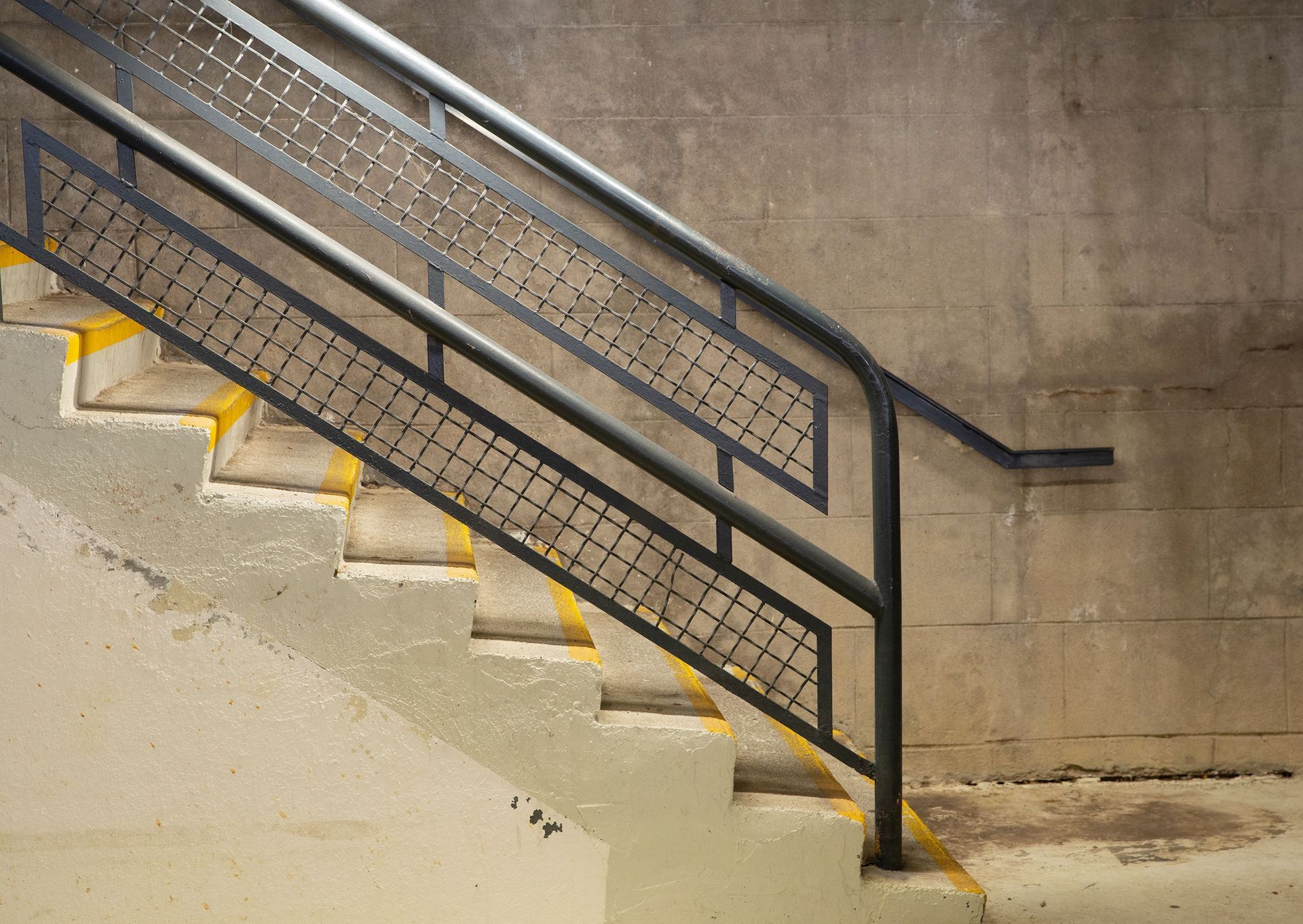
Metal coating discussions begin with the item itself: a gate has moving joints, a handrail is touched frequently, and an outdoor railing faces rain and seasonal temperature changes. Identify the metal surface, its current finish, and the spots where wear is most visible.
Rust-colored marks, flaking paint, and bare metal are different signs to describe. Coatings cannot restore metal that has become structurally weak. If the item is loose, bent, or severely corroded, raise that concern before discussing color. Also note adjacent wood, masonry, or landscaping that may affect access.

Ask About Coating Your Metal Surfaces
Describe the metal feature, whether it is indoors or outdoors, and any rust or peeling finish you can see. Call (763) 228-0422 or email conradhansenptg@gmail.com to request an estimate.