
Interior Ceiling Painting for a Finished Look
Ceilings are easy to overlook until a stain, uneven color, or old repair starts catching the light. A freshly painted ceiling can make the whole room feel more finished without changing the wall color. For this project, the priority is overhead light, ceiling color, and finish.
Ceiling Color, Light, and Visible Marks
Natural light from windows can show roller marks or patch edges on broad ceiling surfaces. Point out where the ceiling looks uneven and whether the issue appears only at certain times of day. For example, natural light from windows can show roller marks or patch edges on broad ceiling surfaces.
Tell us about water stains or marks near vents and fixtures. If there has been a leak, the source needs to be addressed before a cosmetic finish is considered.
Room-by-Room Color Planning
01
A smooth ceiling, a textured ceiling, and a ceiling with beams or recessed areas each present a different conversation. The existing surface and desired appearance should guide the scope.
02
If the walls are also being painted, consider how the ceiling color relates to them. A subtle contrast can change the feel of a room, while a consistent light tone may make it seem more open.
03
Ceiling color changes how bright a room feels. Compare the ceiling with nearby crown molding, walls, and recessed areas rather than judging a sample alone.
04
Ceilings catch light differently from walls. A stain near a fixture or a patch beside a window may stand out once the rest of the room looks fresh.

Planning Your Interior Ceiling Project
Identify ceiling stains, patch marks, uneven color, or areas that appear different under overhead lighting. Note whether the ceiling is flat, textured, vaulted, or divided by beams. The ceiling should be considered separately from wall color because its height and lighting conditions affect how the finish looks. A smooth ceiling, a textured ceiling, and a ceiling with beams or recessed areas each present a different conversation. The existing surface and desired appearance should guide the scope.


Before asking for an estimate, separate full-room painting from individual accents and touch-ups. Note any furniture-heavy spaces, tall walls, or rooms you need to keep using. Mention visible nail holes or previous patches. These details make the conversation about your actual home rather than a one-size-fits-all paint job.
For a multiroom project, think about where one color stops and the next begins. Open doorways, stairwells, and adjoining hallways can make an abrupt transition more noticeable. If you plan to keep some rooms unchanged, note those existing colors when describing the project. It also helps to separate walls from ceilings, trim, and doors in your room list. This gives the estimate conversation a clear scope rather than assuming that every surface in each room needs the same treatment.
Notice Light, Stains, and Texture
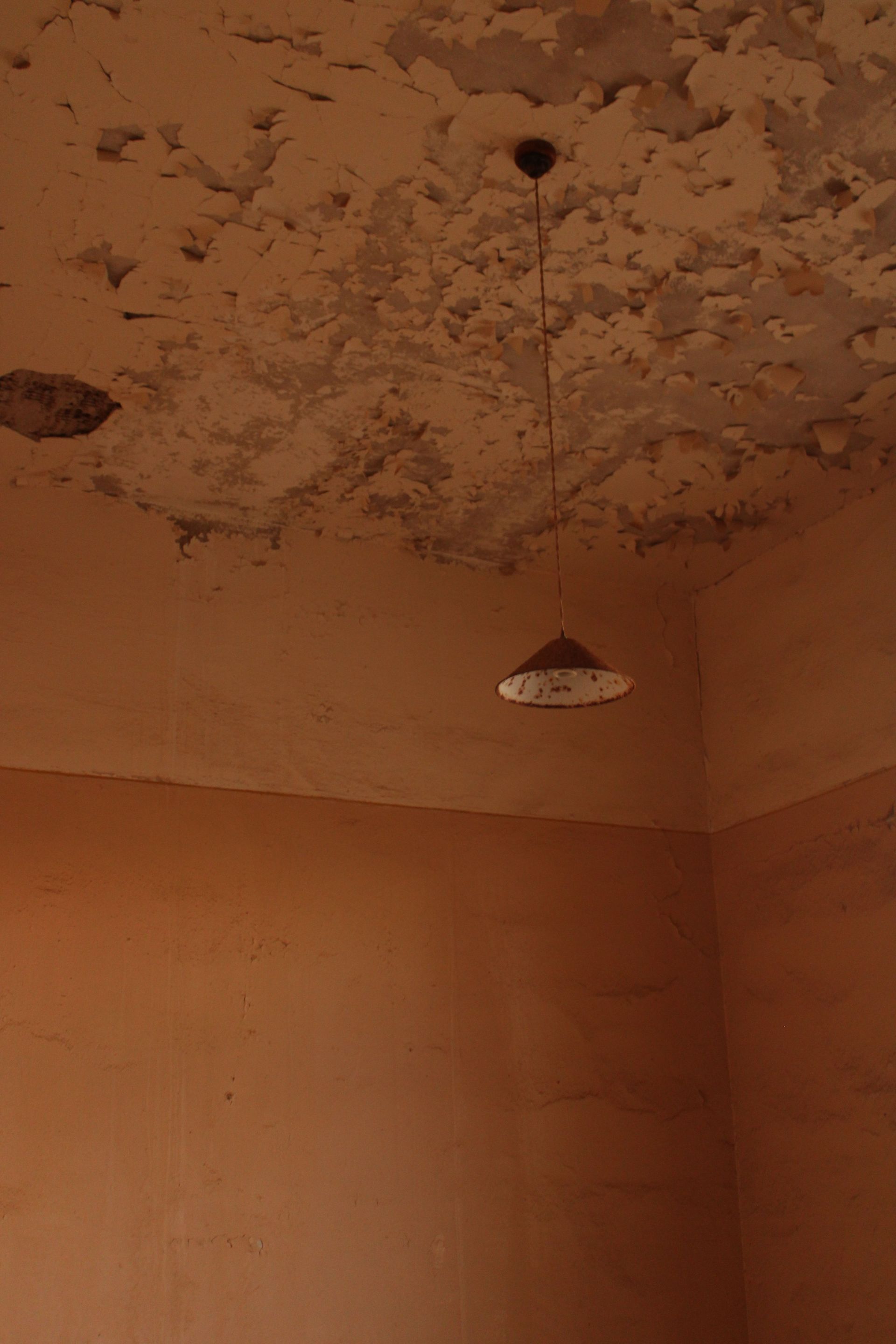
Ceilings catch light differently from walls. A patch or uneven finish can become visible when daylight travels across a broad surface, especially in open rooms. Describe any stains, cracks, or differences in sheen before focusing on the final color.
Ceiling painting can be considered on its own or alongside a room refresh. Note whether the ceiling is flat, textured, vaulted, or interrupted by beams and fixtures. If a stain is linked to an active leak, address the source separately rather than treating new paint as the solution.
Overhead surfaces are easy to overlook until a new wall color makes an older ceiling look uneven. Look for roller marks, discolored areas, visible repairs, and differences around light fixtures. Note whether the ceiling is smooth, textured, vaulted, or divided by beams. The room’s lighting also matters: daylight from a side window may reveal imperfections that are less noticeable under a central fixture. Describe these details so the painting conversation focuses on the ceiling you actually have.



Tell Us About Your Ceilings
For ceiling painting, mention marks around vents or fixtures and any visible difference between patched and unpatched areas. Room height and ceiling texture are also useful details. Share which ceilings need attention and whether they are flat, textured, or marked by stains or previous repairs.