
Interior Wall Painting in Oakdale, MN
Walls carry the everyday marks of a home: fingerprints near doors, scuffs behind chairs, and patches from pictures that have moved. Interior wall painting is a chance to give those surfaces a fresh start. For this project, the priority is wall sheen, high-contact zones, and room mood.
Wall Color, Traffic, and Room Function
Start with the wall you notice first when you enter the room. Is the color tired, the finish uneven, or the surface damaged? Naming the main problem makes the discussion more useful. For example, start with the wall you notice first when you enter the room.
A paint color can shift beside flooring, curtains, countertops, and daylight. Try looking at possible shades in the room rather than choosing from a screen alone.
Room-by-Room Color Planning
01
Busy hallways, children’s rooms, and quiet bedrooms do not all have the same needs. Tell us how the space is used and which areas see the most contact.
02
Old nail holes, dents, and visible patchwork may need attention before repainting. If you have tried touching up the wall and the spot still shows, mention that too.
03
An accent wall has a different purpose from repainting an entire room. Identify the wall you want emphasized and consider how the color looks from adjoining spaces.
04
The wall you see when entering a room often sets the mood. Think about whether you want a quiet background or a color that makes that wall stand out.

Planning Your Interior Wall Project
Busy hallways, children’s rooms, and quiet bedrooms do not all have the same needs. Tell us how the space is used and which areas see the most contact.
Walls near dining tables, hallway corners, and light switches experience different contact than quiet bedroom walls. Think about the surface appearance you want alongside how each room is used.
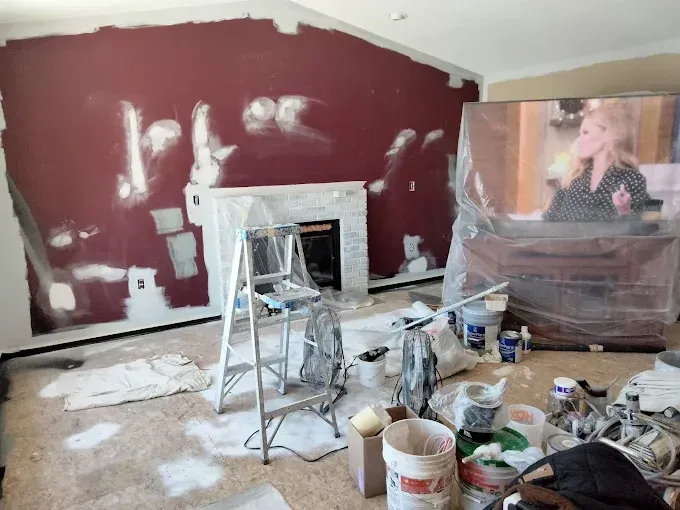
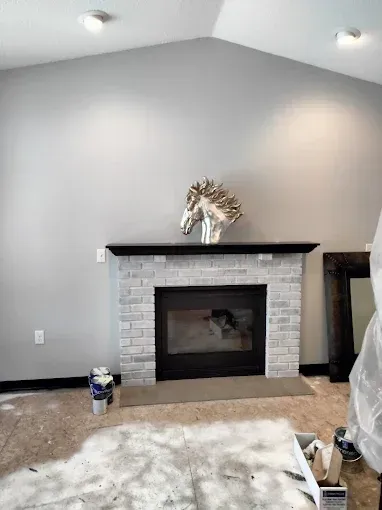
Before asking for an estimate, separate full-room painting from individual accents and touch-ups. Note any furniture-heavy spaces, tall walls, or rooms you need to keep using. Mention visible nail holes or previous patches. These details make the conversation about your actual home rather than a one-size-fits-all paint job.
For a multiroom project, think about where one color stops and the next begins. Open doorways, stairwells, and adjoining hallways can make an abrupt transition more noticeable. If you plan to keep some rooms unchanged, note those existing colors when describing the project. It also helps to separate walls from ceilings, trim, and doors in your room list. This gives the estimate conversation a clear scope rather than assuming that every surface in each room needs the same treatment.
Plan the Wall Color in Context
Wall painting is often the most direct way to change the mood of one room. A home office may need a quiet background, while a family room may call for a warmer color that works with existing furniture. Look at samples beside flooring and trim in both natural and artificial light.
Before requesting an estimate, identify the walls you want painted, any accent wall, and visible scuffs or holes. Consider whether existing colors will remain in adjacent rooms. This narrower wall-focused scope differs from a full interior project that may also involve ceilings, doors, and baseboards.
Wall painting decisions depend on more than the color sample. High-traffic passages may show fingerprints and scuffs, while a home office may need a calmer backdrop for screens and furnishings. List any accent walls separately from full-room walls. If the wall has nail holes, cracks, or older touch-up marks, identify them before discussing the new finish. A clear description of the room and its current condition helps keep the project focused on the surfaces that need attention.

Plan a Wall Color Update
A clear room list helps separate a single accent wall from full-room repainting and avoids confusion about which surfaces are included. Tell us which walls you want painted, how the rooms are used, and whether scuffs, patches, or existing colors need attention.