
Door & Trim Painting in Oakdale, MN
Door trim takes plenty of small knocks: bags brushing past a doorway, vacuum cleaners hitting base edges, and hands touching frames. Fresh paint can make those familiar details look cared for again. For this project, the priority is door edges, trim profiles, and crisp boundaries.
Door Casings, Edges, and Trim Detail
Take a close look at the casing around doors, especially corners and joints. Chipped paint, old caulk lines, and dents may stand out once the surrounding walls have been refreshed. For example, take a close look at the casing around doors, especially corners and joints.
Trim color changes how doors and walls relate to one another. You may want crisp contrast, a softer blend, or a consistent finish through connected rooms.
Room-by-Room Color Planning
01
Tell us whether the doors themselves are part of the project or whether you only want the surrounding trim updated. That distinction keeps the scope clear.
02
Older trim may have layers of previous paint or areas where the finish has worn differently. Point out sticking doors or damaged wood rather than assuming paint will solve a fit problem.
03
Door edges and casing corners are high-contact areas. Note whether the doors themselves need paint or whether the work is limited to surrounding woodwork.
04
Door frames take small knocks from bags, furniture, and daily use. Look closely at corners and edges where old paint may have chipped.

Planning Your Door Trim Project
List the doors, casings, baseboards, or other trim you want updated and note where the current finish is chipped or marked. Look at how the trim meets the walls and floors, especially in doorways that connect rooms with different colors. Trim projects benefit from a clear inventory of narrow surfaces and details. Tell us whether the doors themselves are part of the project or whether you only want the surrounding trim updated. That distinction keeps the scope clear.
Owners Refreshing Worn Woodwork
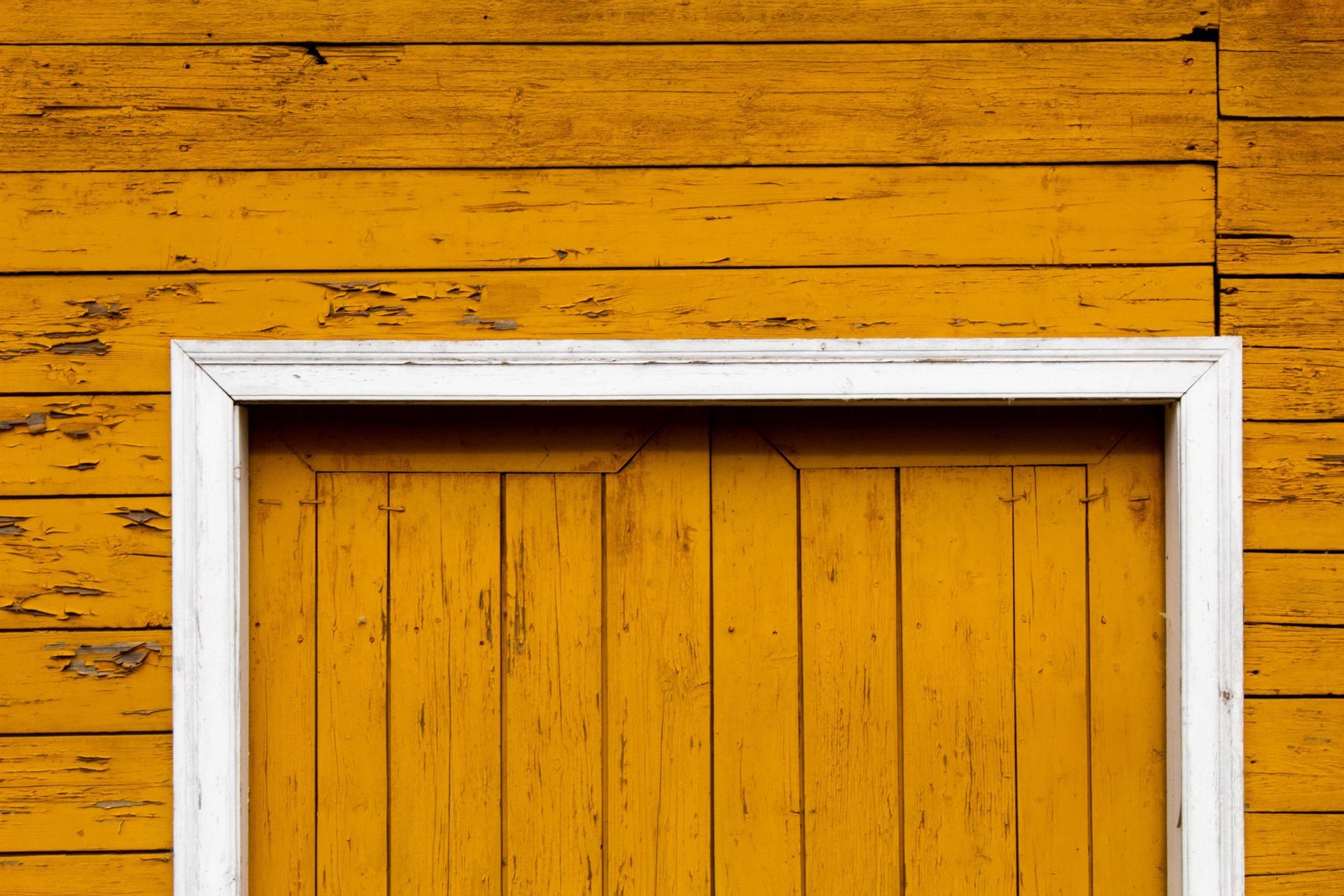
Homeowners seeing chipped door frames, marked casings, or mismatched trim can focus on the details people notice up close. Homeowners can count doors and identify baseboards, casings, and window trim separately to clarify the scope.
Door casings and baseboards are viewed close up, so their edges and contrast with the wall deserve attention.
Before asking for an estimate, separate full-room painting from individual accents and touch-ups. Note any furniture-heavy spaces, tall walls, or rooms you need to keep using. Mention visible nail holes or previous patches. These details make the conversation about your actual home rather than a one-size-fits-all paint job.
For a multiroom project, think about where one color stops and the next begins. Open doorways, stairwells, and adjoining hallways can make an abrupt transition more noticeable. If you plan to keep some rooms unchanged, note those existing colors when describing the project. It also helps to separate walls from ceilings, trim, and doors in your room list. This gives the estimate conversation a clear scope rather than assuming that every surface in each room needs the same treatment.
Pay Attention to High-Contact Details
Doors and trim frame the room, so small finish differences can stand out. Baseboards often show scuffs from cleaning and furniture, while door casings and edges get frequent hand contact. Decide whether the goal is to refresh the existing color or create a deliberate contrast with the walls.
List the doors, baseboards, window casings, and other trim you want included rather than grouping everything as woodwork. Note chipped corners, sticking doors, or loose hardware separately. Paint can change appearance, but it should not be presented as a repair for a door that does not fit or close properly.
Different trim pieces can show different types of wear. Baseboards collect scuffs near the floor, door casings are touched and bumped, and window trim may be affected by sunlight. Decide whether you want a consistent trim color through several rooms or a targeted update around selected doors. Count the openings and identify any built-ins or decorative profiles. Mention loose joints, damaged wood, or sticking doors separately because paint alone will not resolve those underlying issues.


Review Your Doors and Trim
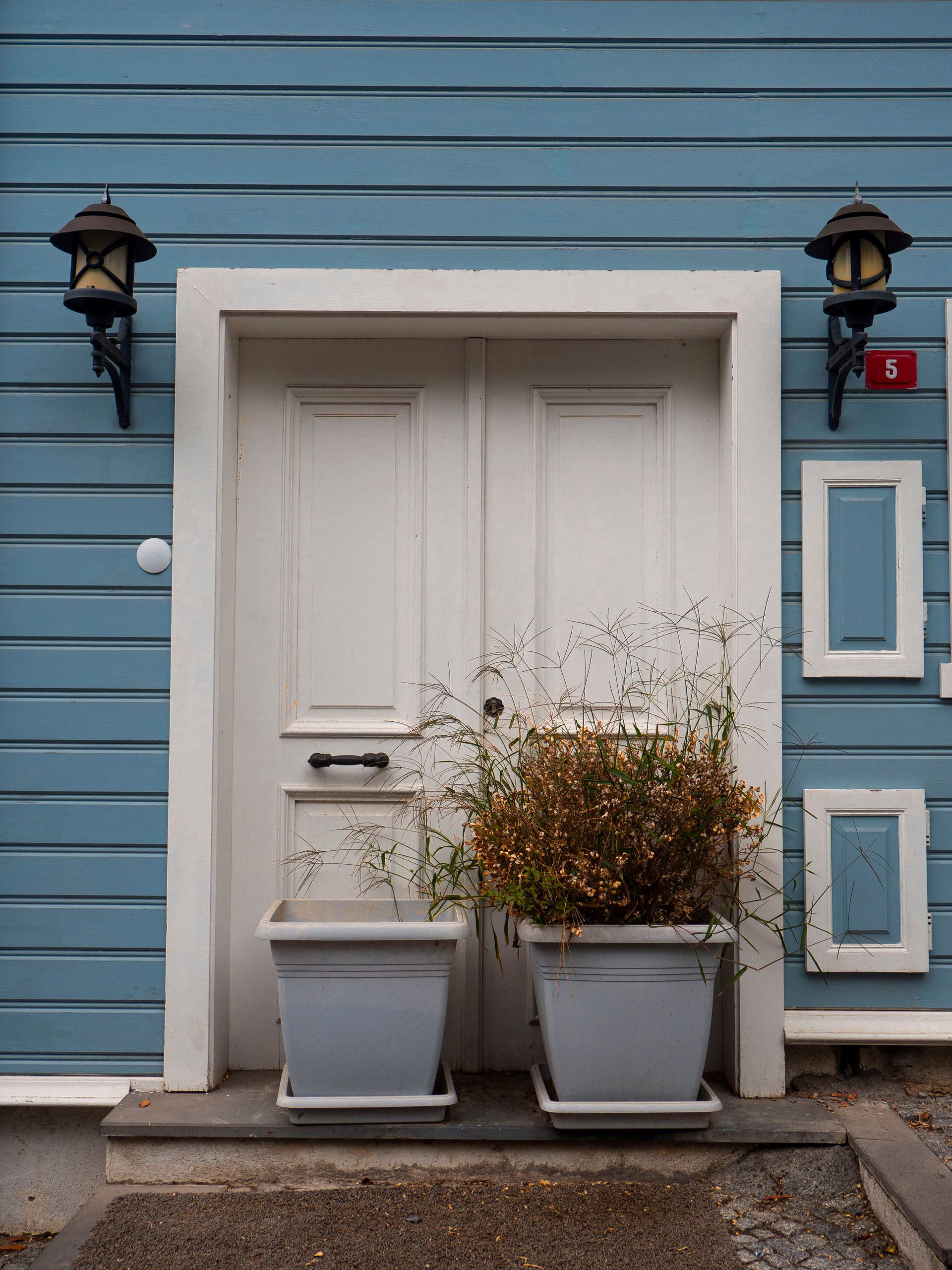
Include closets, door frames, and baseboards in your description only if they are part of the requested scope; trim varies from room to room. Tell us which doors, casings, and trim pieces you want painted, along with any chipped corners or worn finishes.