
Knockdown Ceiling and Wall Texture Finishes
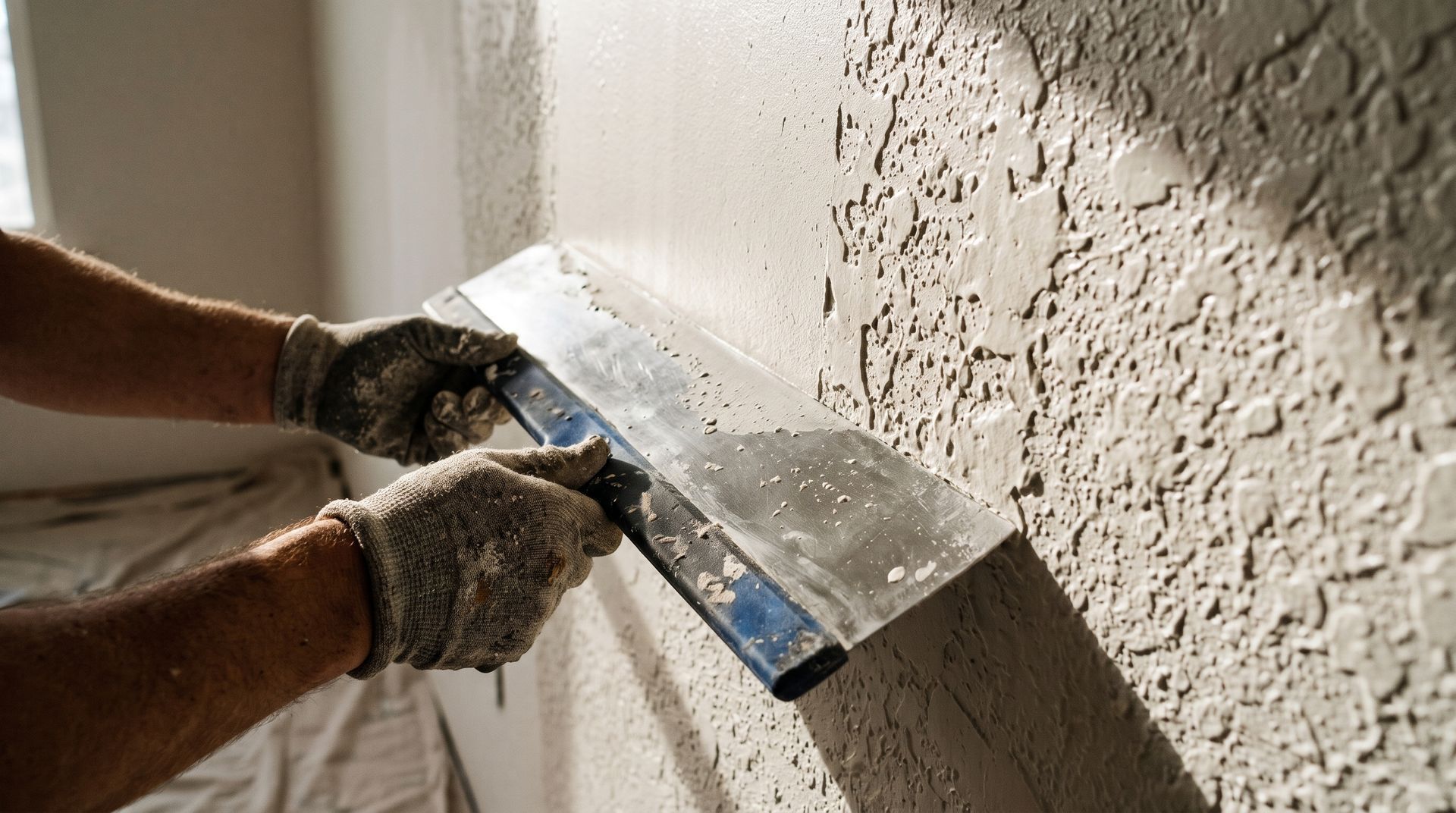
Knockdown texture gives a wall or ceiling a patterned finish that can soften the look of broad, plain surfaces. It can also be used when you are trying to blend a repaired area into an existing textured room. For this project, the priority is the scale and consistency of knockdown texture.
Texture Pattern and Existing Finishes
Matching old texture is not simply a matter of choosing the same name. The size of the pattern, how it was applied, and the paint over it can all affect what you see. For example, matching old texture is not simply a matter of choosing the same name.
Tell us whether you want to match an existing section or create a new finish across a larger area. Those are different goals and deserve different conversations.
Room-by-Room Color Planning
01
Light from windows or ceiling fixtures can make raised patterns stand out. Look at the surface from a few angles and point out any area where the texture appears uneven.
02
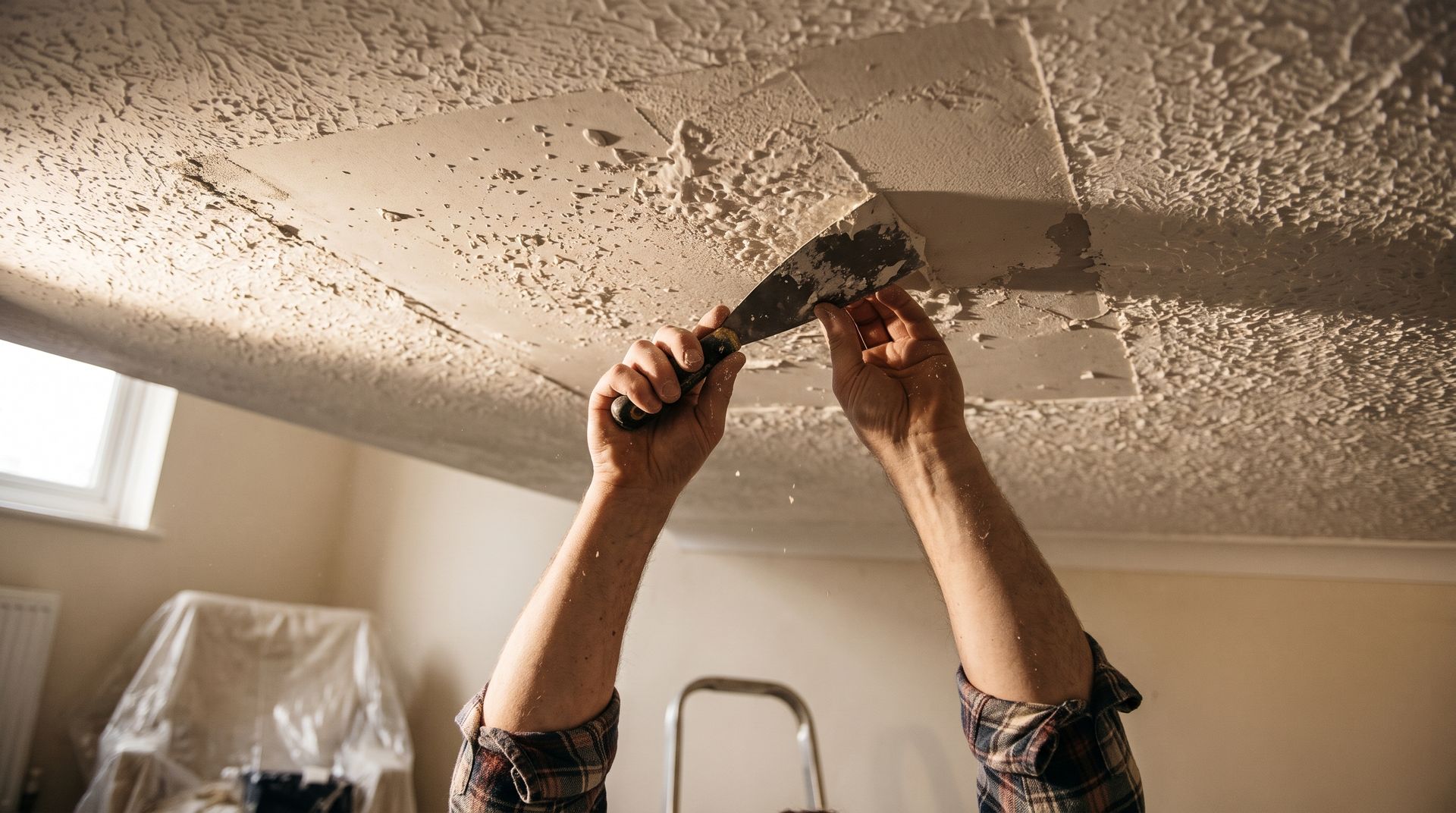
If drywall has been repaired, ask how the transition between the patch and surrounding texture will be addressed. A repair that is flat in the middle of a textured wall can be noticeable.
03
Texture can look stronger under side lighting than it does head-on. Photographs taken from two angles help explain the pattern you want to match.
04
A knockdown finish has a raised pattern that changes with the light. Compare examples in both direct and soft lighting before choosing the look you want.

Planning Your Knockdown Texture Finishes Project
Explain where you want a knockdown texture and whether the surrounding walls or ceilings already have a similar pattern. Note the size of the area and how strongly you want the texture to read under side lighting. A small patch that meets an existing pattern presents a different visual challenge from a whole new surface. Think about the rooms next to the textured surface. A bold texture in one area may stand out beside a smoother hallway or ceiling. Photos taken in daylight and under ceiling lights can help you explain the look you want without needing technical terms.
Owners Matching or Updating Texture
Homeowners matching repaired drywall or updating an existing textured surface can describe the pattern already present. The useful starting point is a clear description of the scale and consistency of knockdown texture. Share which part of the property concerns you, what has changed over time, and what a satisfactory result would look like. This helps keep the discussion tied to your actual project rather than a general painting checklist.
Before asking for an estimate, separate full-room painting from individual accents and touch-ups. Note any furniture-heavy spaces, tall walls, or rooms you need to keep using. Mention visible nail holes or previous patches. These details make the conversation about your actual home rather than a one-size-fits-all paint job.
For a multiroom project, think about where one color stops and the next begins. Open doorways, stairwells, and adjoining hallways can make an abrupt transition more noticeable. If you plan to keep some rooms unchanged, note those existing colors when describing the project. It also helps to separate walls from ceilings, trim, and doors in your room list. This gives the estimate conversation a clear scope rather than assuming that every surface in each room needs the same treatment.
Match or Update the Texture Pattern
Knockdown texture is valued for its distinct broken, flattened pattern. Matching an existing texture can be a different goal from choosing a new look for an entire ceiling or wall. Even small differences in pattern scale may show where old and new areas meet.
Describe whether you need a patch to blend with a nearby finish or want to discuss a larger surface. Take a close-up photograph and another from across the room; both views are useful. Also note any cracks, water damage, or previous repairs that should be considered before discussing appearance.

Plan a Wall Color Update
A clear room list helps separate a single accent wall from full-room repainting and avoids confusion about which surfaces are included. Tell us which walls you want painted, how the rooms are used, and whether scuffs, patches, or existing colors need attention.