
Drywall Repair & Patching in Oakdale, MN
A dent behind a door, a hole from a moved fixture, or a cracked patch can draw your eye every time you enter a room. Drywall repair starts by looking at what happened and how visible the damage is. For this project, the priority is damaged drywall and invisible transitions.
Holes, Dents, and Patch Boundaries
A small nail hole is different from a large opening or an area that has been repaired several times. Tell us roughly how big the problem is and whether the surrounding wall feels firm.
Some damage appears after plumbing, electrical, or other work. If another trade is still working in the area, mention that so the repair can be discussed in the right sequence.
Room-by-Room Color Planning
01
Matching the existing wall is often as important as filling the opening. Texture, paint sheen, and light from nearby windows can make a patch more noticeable than expected.
02
A small dent near a switch plate calls for a different discussion than a wide damaged section. Include the location and approximate size when describing drywall repairs.
03
A repaired wall should fit naturally into the room. If you also plan to repaint the area, ask whether it makes sense to consider the repair and finish together.
04
Small dents and nail holes are different from a crack that keeps returning. Point out the location and whether the damage has changed over time.

Planning Your Drywall Repair & Patching Project
Point out each dent, hole, crack, or previous patch and explain what caused it if you know. Identify whether the damage is on a flat wall, near a corner, or beside trim. Also note any texture or sheen difference in the surrounding area, because a repaired spot needs to be considered in the context of the existing wall. Check the repaired area from the side, not only straight on. Light passing across a wall can reveal ridges that are easy to miss in flat lighting. If the damage is close to a corner or trim, point that out so the visible edges are part of the conversation.

People Preparing Damaged Walls
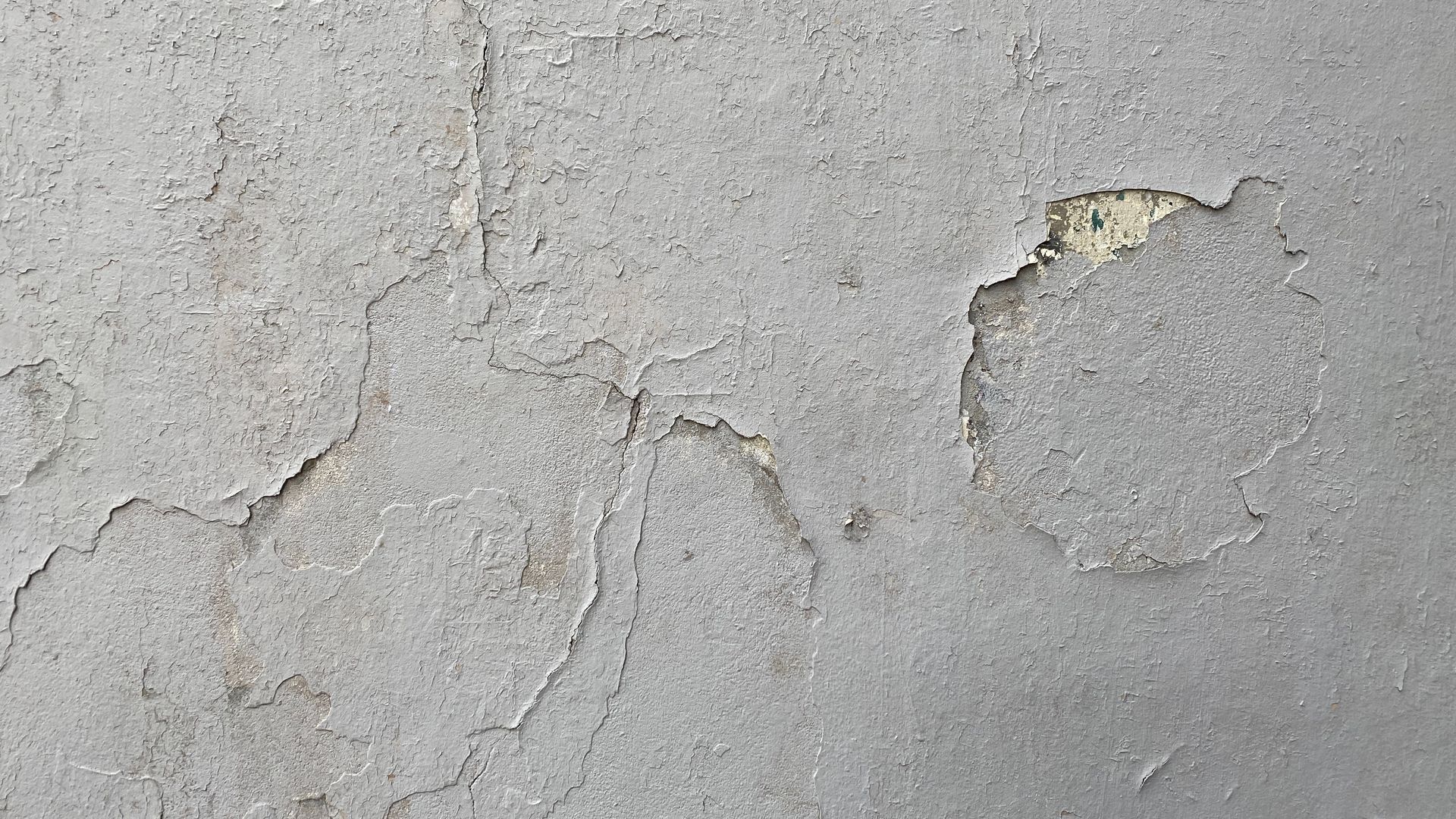
Homeowners with holes, dents, cracked patch edges, or visible repair spots can identify the exact areas needing attention. People updating a room after plumbing or electrical work can point out each opening so the repair scope is clear.
Repairs near corners, trim, and bright windows may be more noticeable than damage in less visible areas.
Before asking for an estimate, separate full-room painting from individual accents and touch-ups. Note any furniture-heavy spaces, tall walls, or rooms you need to keep using. Mention visible nail holes or previous patches. These details make the conversation about your actual home rather than a one-size-fits-all paint job.
For a multiroom project, think about where one color stops and the next begins. Open doorways, stairwells, and adjoining hallways can make an abrupt transition more noticeable. If you plan to keep some rooms unchanged, note those existing colors when describing the project. It also helps to separate walls from ceilings, trim, and doors in your room list. This gives the estimate conversation a clear scope rather than assuming that every surface in each room needs the same treatment.
Describe the Damage and Existing Finish
A small drywall dent, a settlement crack, and an opening left by a removed fixture do not describe the same problem. Location matters too: a patch in direct window light can be more noticeable than one behind furniture. Note the size and depth of each damaged area.
Tell us whether the wall is smooth or textured and whether the surrounding paint is glossy or flat. If moisture is still entering the wall, that underlying issue needs attention before a cosmetic patch. Photographs with an object for scale can make an initial discussion more useful.
The location of a damaged area affects how noticeable a repair may be. A patch in the center of a well-lit wall is viewed differently from one behind a door or near a baseboard. Describe whether the wall is smooth or textured and whether the surrounding paint has faded. If you have several holes from removed shelves or fixtures, count them separately from cracks or larger damaged sections. Photographs taken from a few feet away and up close can make the scope easier to explain.


Show Us the Drywall Damage
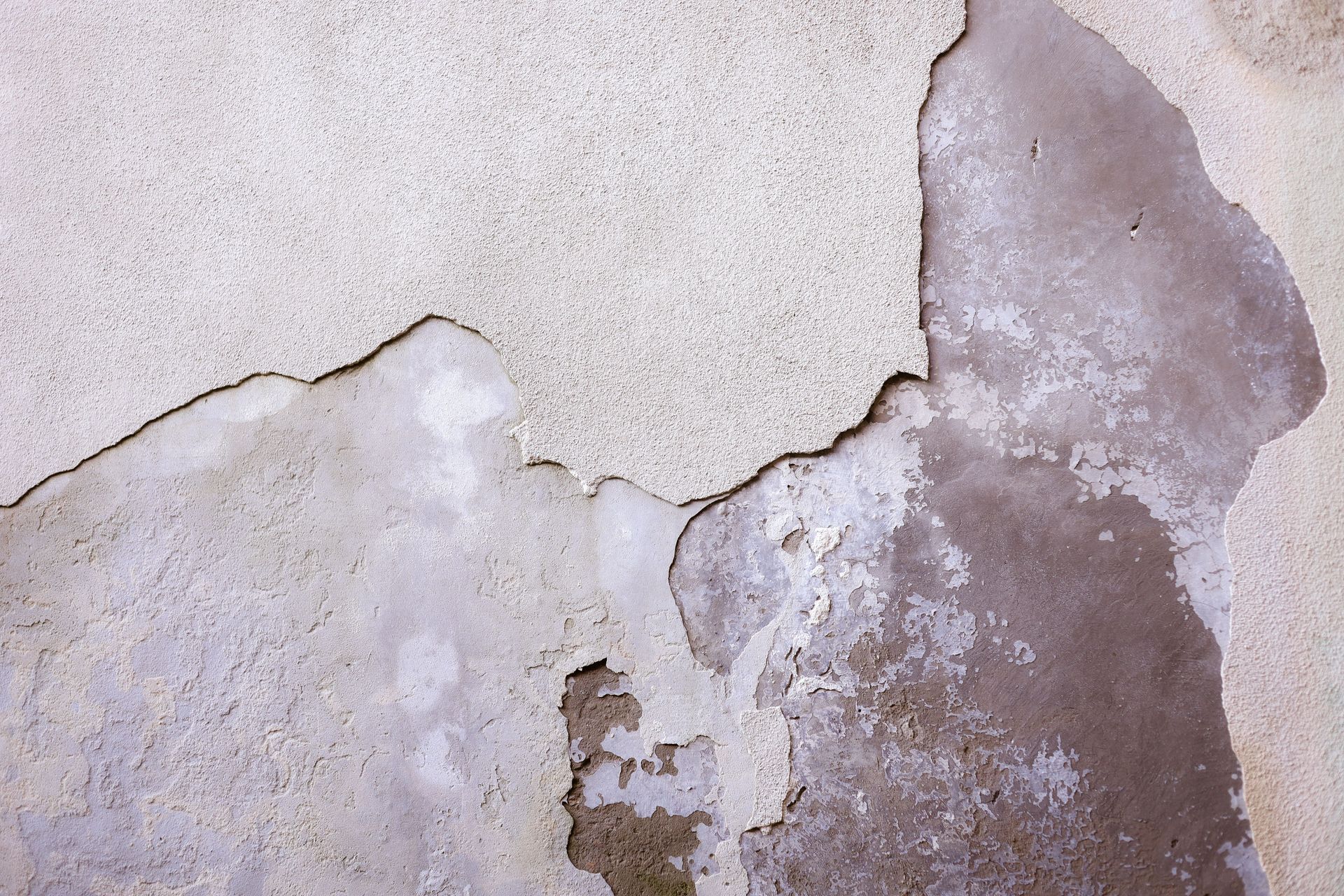
Describe whether the drywall damage is a puncture, a seam crack, or a larger patch. If the surrounding surface has texture, mention that when requesting an estimate. Send a description of the damaged area, its approximate size, and whether the surrounding wall is textured.