
Kitchen Cabinet Painting in Oakdale, MN
You may like your kitchen layout but feel ready for a different look. Painting the cabinets can change the room without replacing every box and drawer. Start by telling us what you want to keep and what no longer feels right. For this project, the priority is cabinet doors, frames, and daily kitchen use.
Cabinet Doors, Frames, and Finish Choices
Cabinet doors, drawer fronts, and frames see daily contact. Grease near the stove, worn handles, and chipped edges matter more here than on a typical wall. Show us the areas you touch most often so those surfaces are part of the discussion.
A bright white kitchen and a deep-color kitchen can both look beautiful, but they create different relationships with countertops, flooring, and backsplash tile. View samples beside those fixed materials rather than choosing a color in isolation.
Room-by-Room Color Planning
01
Consider whether the current doors are solid and whether hinges, handles, or existing finishes are causing problems. Painting changes appearance; it does not fix a door that no longer closes properly.
02
Because a kitchen is used every day, ask how the work may affect access to cupboards, cooking areas, and stored items. The best plan is one you understand before the first cabinet door is touched.
03
Consider the contrast between upper and lower cabinets. A two-tone scheme changes the visual balance of a kitchen, especially when an island has its own color.
04
The cabinets you touch every day often tell the clearest story. Check around pulls, beside the sink, and near the cooking area for chips or worn finishes.

Planning Your Kitchen Cabinet Project
Start by counting the doors, drawers, and exposed cabinet frames, then describe the existing finish. Think about the relationship between the cabinet color, counters, backsplash, and flooring. Also consider how the kitchen will be used while the project is planned, since it is often one of the busiest rooms in the home. Picture how the cabinet color will look beside your countertop, backsplash, and flooring. A sample that looks right on its own can feel different in the full kitchen. Keep the cabinet layout in mind too; painting changes the finish, not the amount of storage.
A Kitchen Refresh Without a New Layout
Cabinet doors, edges, and frequently handled areas need a different conversation from ordinary wall painting.
Cabinet doors, drawer fronts, frames, and frequently touched edges can wear differently; identify the components you want included.
Homeowners Keeping Their Existing Cabinets
Homeowners who like their kitchen layout but want a different cabinet appearance may prefer to discuss painting before replacing cabinets. Households with heavily used kitchens may want to discuss access to cabinets and how daily meals will be handled.
The cabinet finish should relate to the counters, backsplash, and flooring without making the kitchen feel visually crowded.
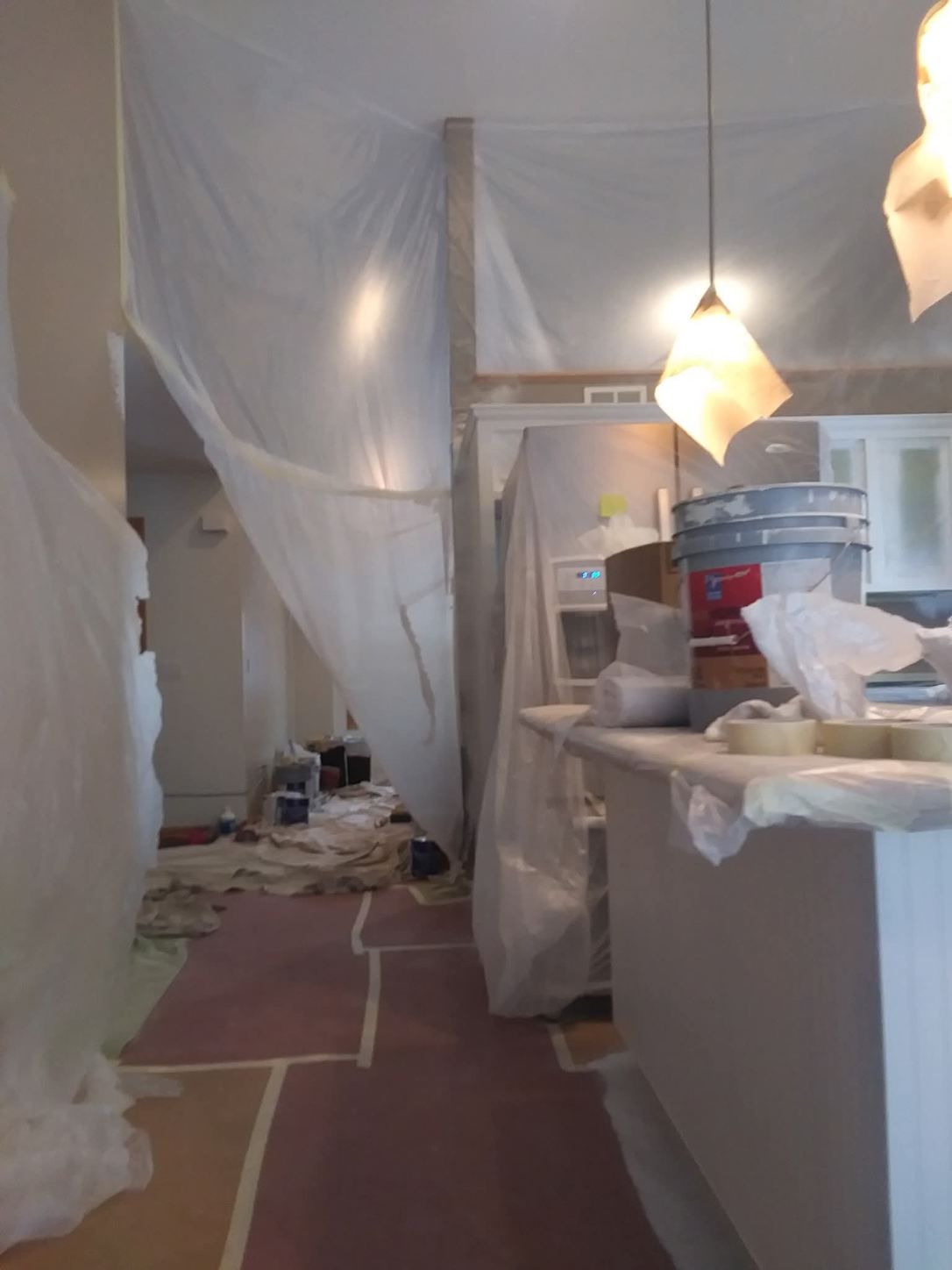
Before asking for an estimate, separate full-room painting from individual accents and touch-ups. Note any furniture-heavy spaces, tall walls, or rooms you need to keep using. Mention visible nail holes or previous patches. These details make the conversation about your actual home rather than a one-size-fits-all paint job.
For a multiroom project, think about where one color stops and the next begins. Open doorways, stairwells, and adjoining hallways can make an abrupt transition more noticeable. If you plan to keep some rooms unchanged, note those existing colors when describing the project. It also helps to separate walls from ceilings, trim, and doors in your room list. This gives the estimate conversation a clear scope rather than assuming that every surface in each room needs the same treatment.
What Makes Cabinets Different
Cabinet painting is a different decision from repainting a kitchen wall. Doors, drawer fronts, and exposed frames receive constant handling, while profiles and corners make the finish especially noticeable. Look at the cabinet boxes and doors separately and identify any areas with chips, grease buildup, or hardware wear.
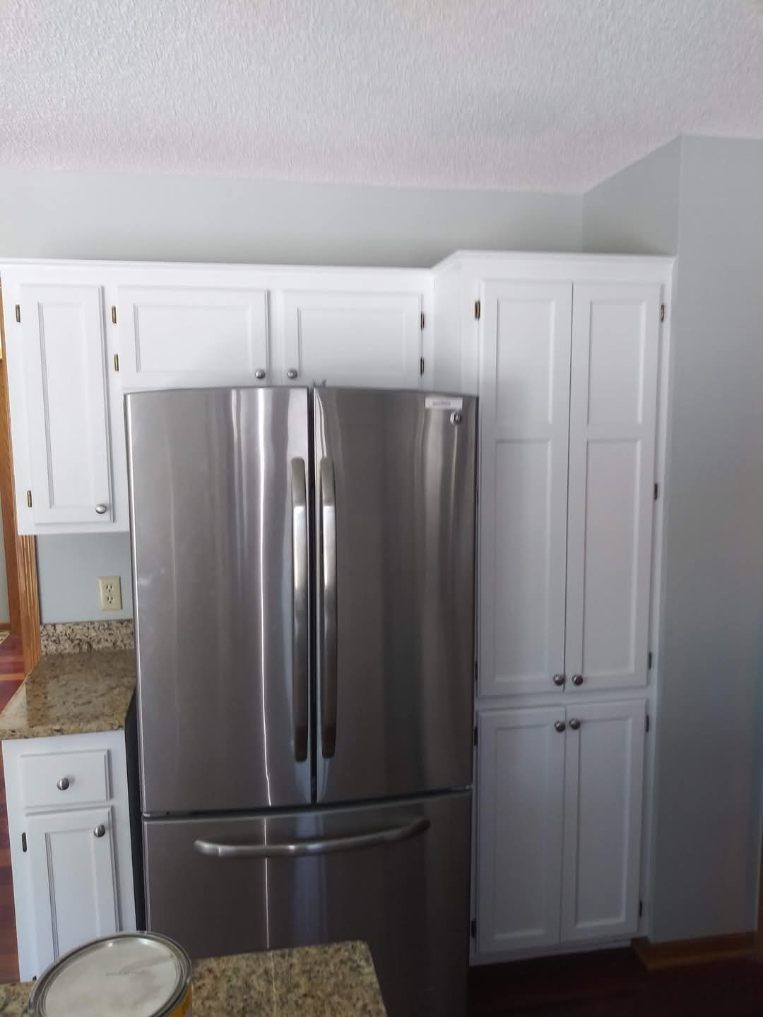
If the layout works, a cabinet color change can reshape the kitchen without moving cupboards. Compare possible colors beside the backsplash and counters, then decide whether an island or pantry should match. Tell us how much access to the kitchen you need while discussing the proposed scope.
Cabinet profiles can also influence the appearance you choose. A recessed-panel door has corners and grooves that catch light differently from a flat-front door. Think about whether you want a consistent color throughout the kitchen or a contrasting island. Include any pantry cabinets or built-in storage when describing the project. If doors are chipped near pulls or drawers rub against frames, point that out separately; changing the paint color does not correct damaged hardware or alignment.


Explore a Cabinet Color Refresh
If the kitchen includes an island or a separate pantry, specify whether those cabinets should match the main run or serve as an accent. Let us know how many cabinet doors and drawers you have, what finish is on them now, and the color direction you prefer.